
Start raw
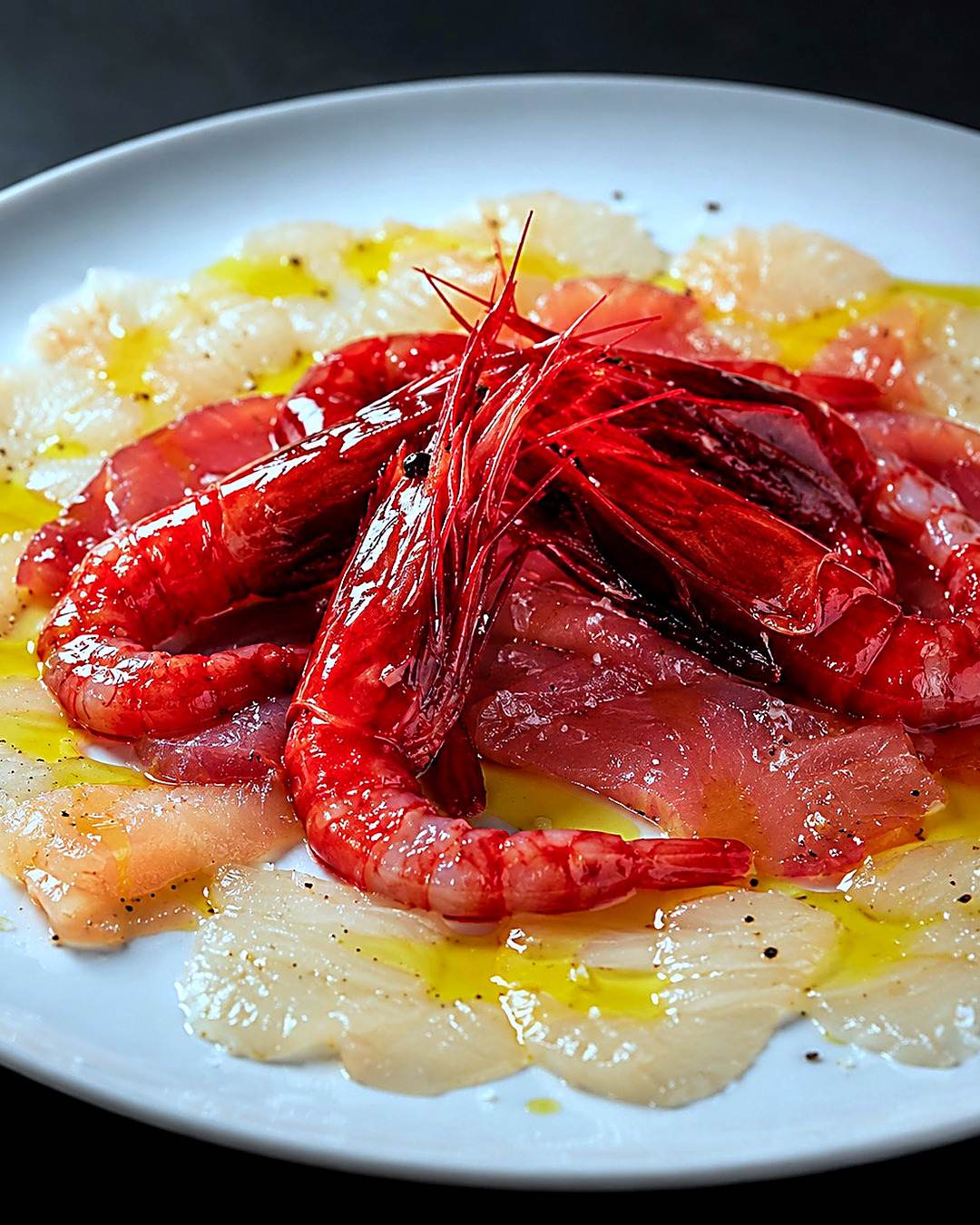
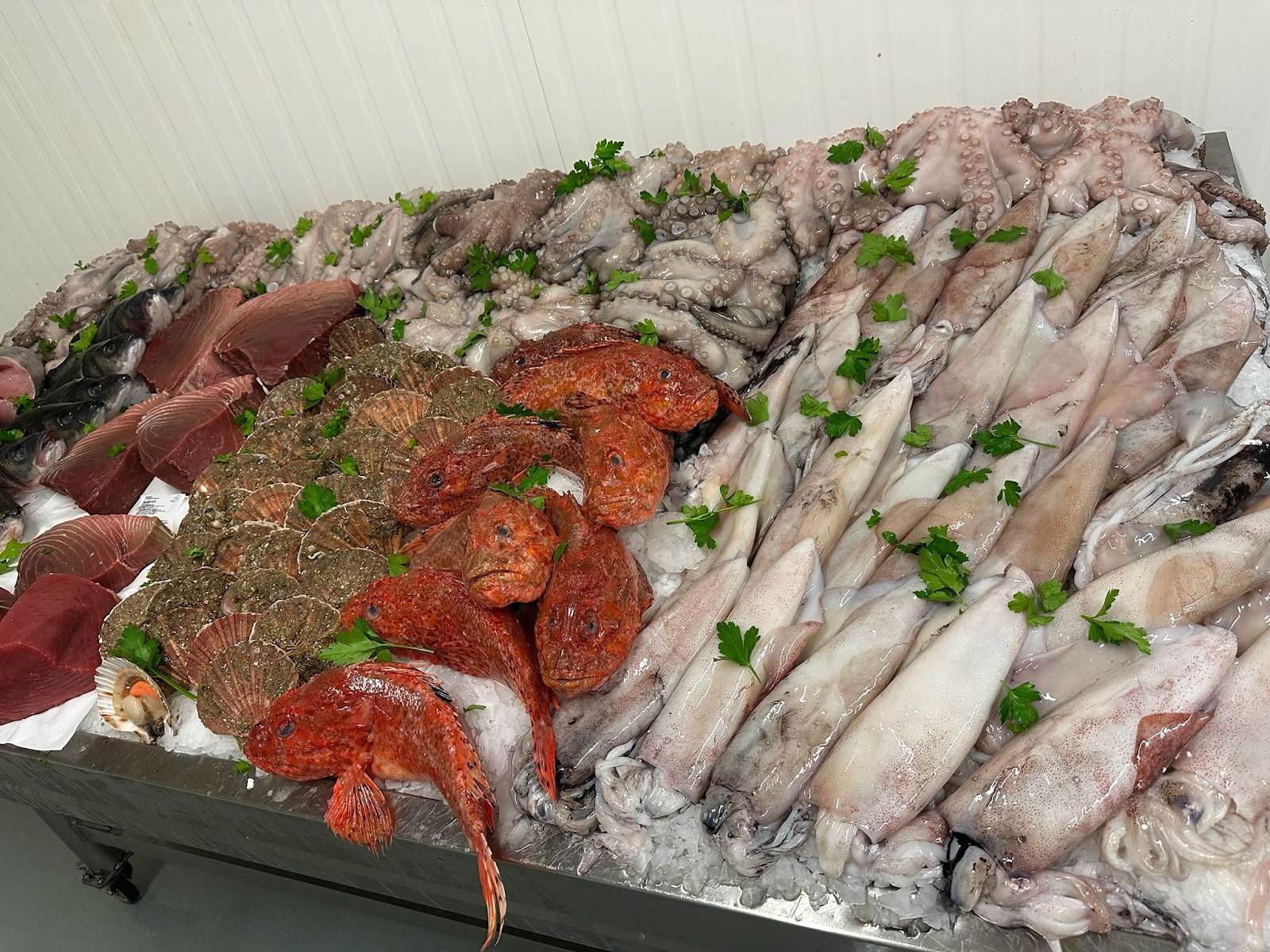
Crudité of fish with red prawns: all the raw fish is blast chilled.
Sardinian food guide · Fiore, Milan
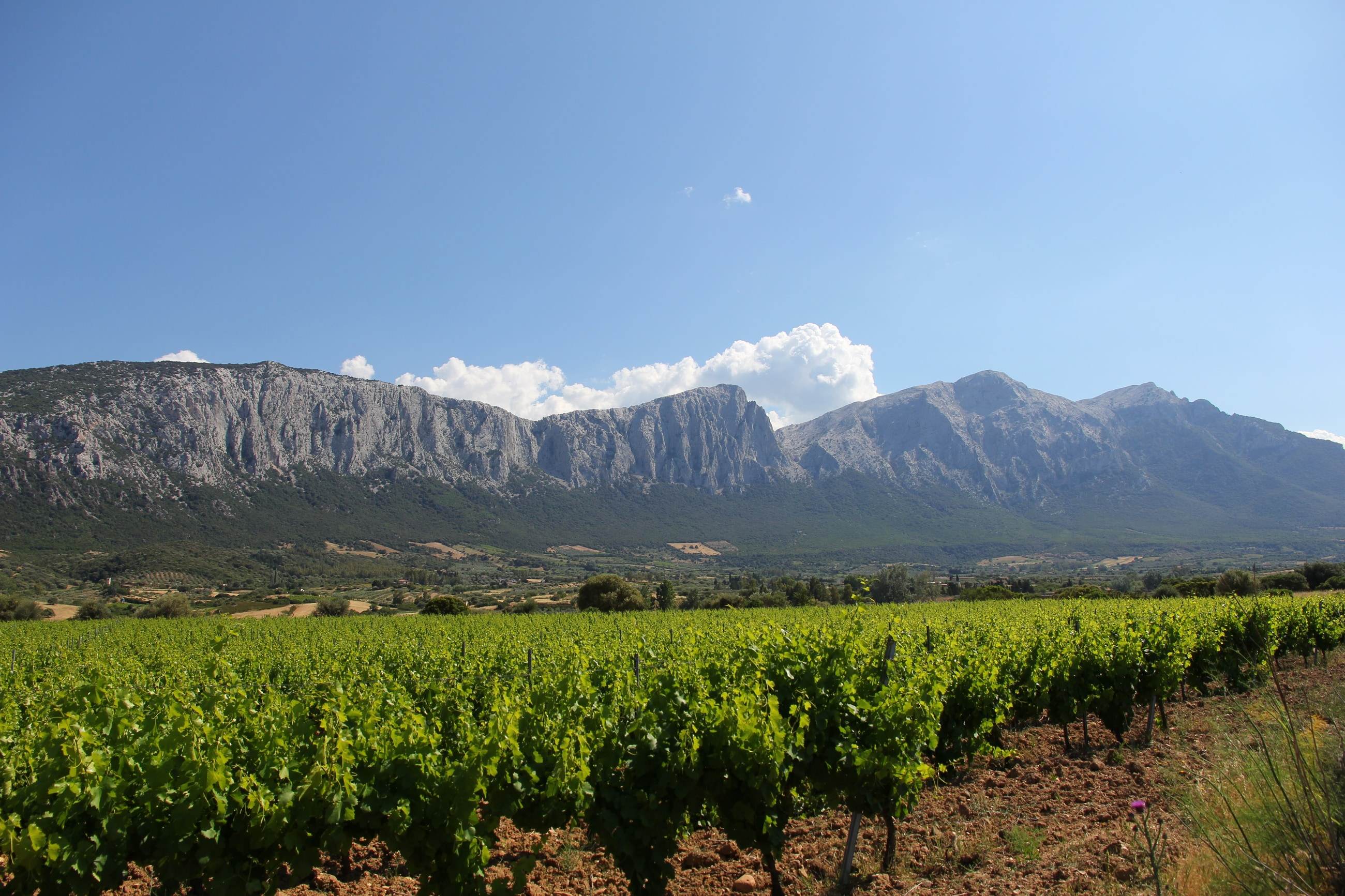
The Supramonte above the Oliena vineyards (a landscape). Photo Gianni Careddu, CC BY-SA 4.0, Wikimedia Commons
Sardinia at the table comes down to two words: sea and land. Here are the island's pasta, breads, cheeses, wines and traditions, 54 of them, each with a story checked against its source. The ones marked «At Fiore» are on our menu in Via Savona, Milan.
First time at a Sardinian table?
Crudité of fish with red prawns: all the raw fish is blast chilled.
Culurgiones, closed by hand in an ear of wheat pattern, or malloreddus with Sardinian sausage.
The catch of the day from the grill, or the land: cured meats, pecorino roasted with honey.
Seadas, the cheese pastry with honey: in Sardinia they call it the dessert that is not sweet.
of tradition
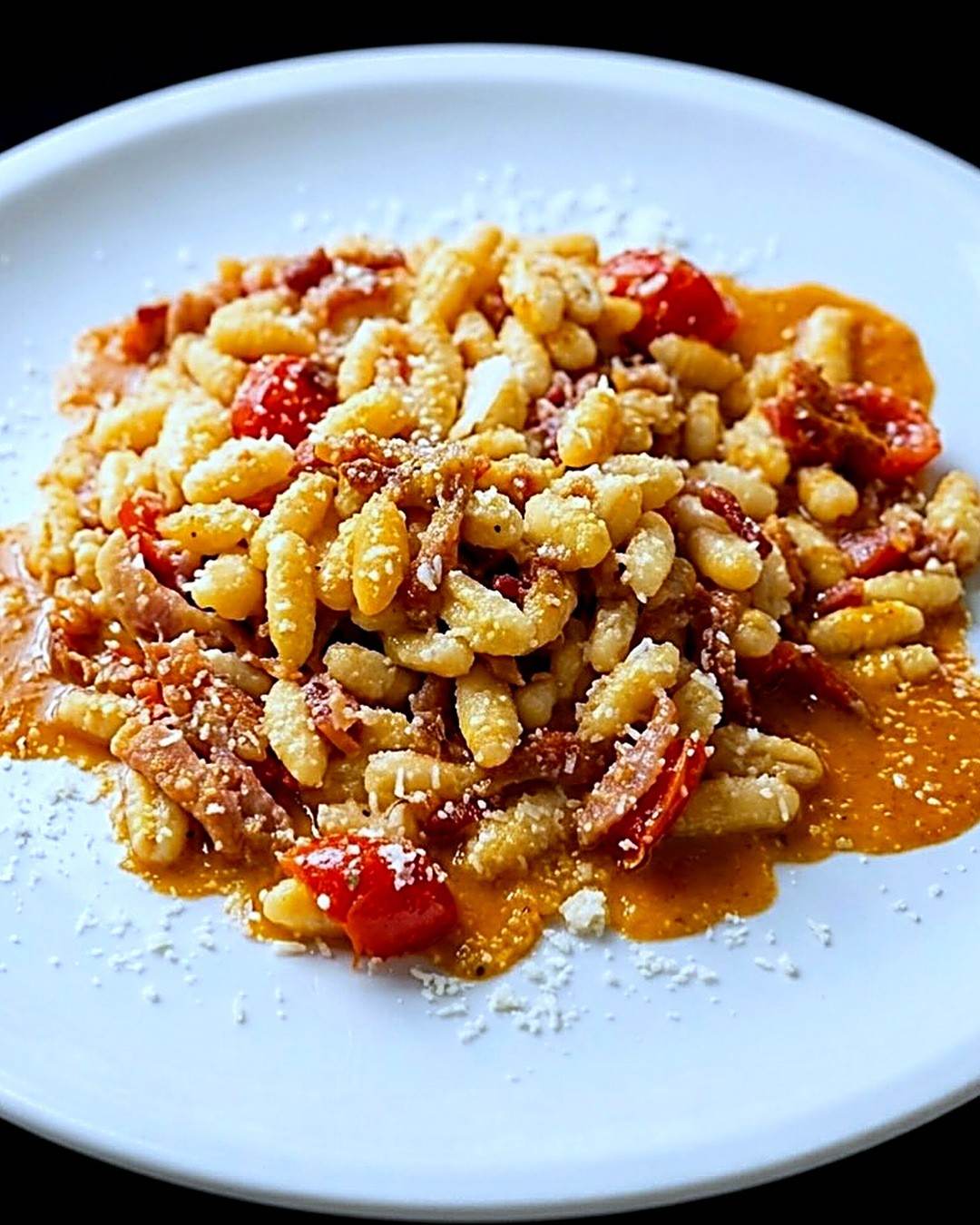
In Sardinian: culurgionis (Ogliastra, nome dell'IGP), culingionis, culurzones
A traditional Sardinian dish with a filling, sealed in the shape of an ear of wheat and protected as a PGI.
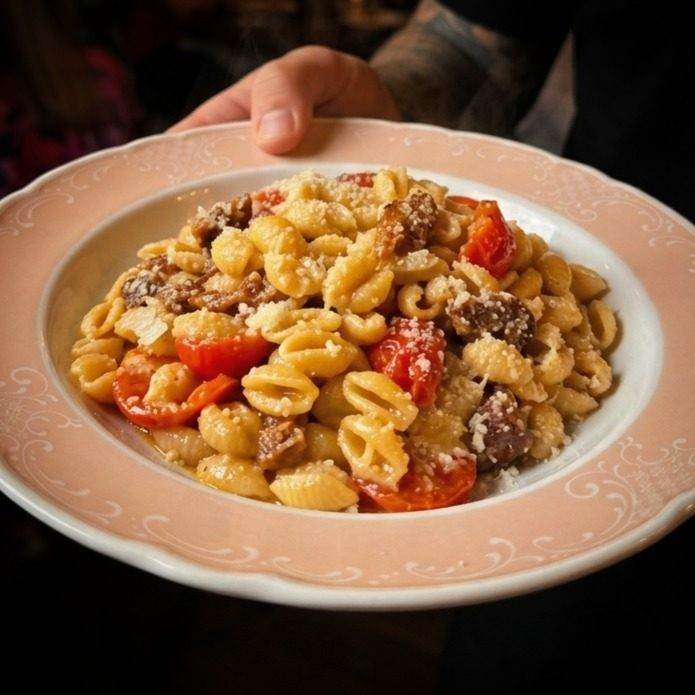
In Sardinian: malloreddus (Campidano); cigiones o ciocioneddos (Sassari); macarones cravaos (Nuorese); chiusoni (Gallura); cassulli (Carloforte)
A traditional Sardinian pasta, once coloured with saffron, with a different local name in each area of the island.
In Sardinian: maccarones (campidanese), cravoas (nuorese), cigiones o cigioni (sassarese)
A Sardinian pasta, made by rolling a small piece of dough over a ridged surface, as was once done on a basket.
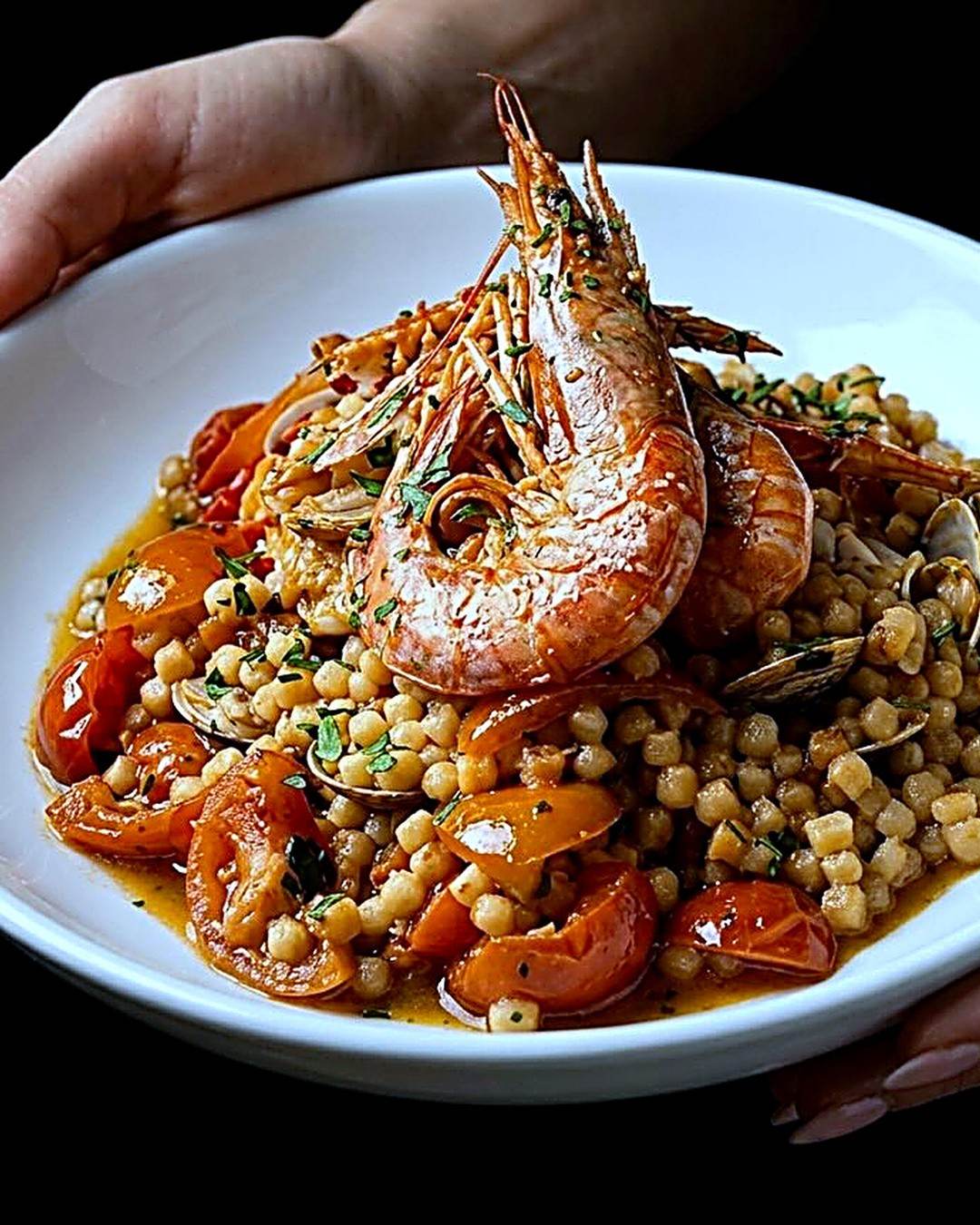
In Sardinian: fregula; sa fregula cun cocciula (con arselle); fregula istuvada (Neoneli); fregula incasada
A Sardinian dish of small grains, classically cooked in Cagliari with clams and fish broth.
In Sardinian: su porceddu (Campidano), su porcheddu, su proheddu, su porcheddeddu (Nuorese)
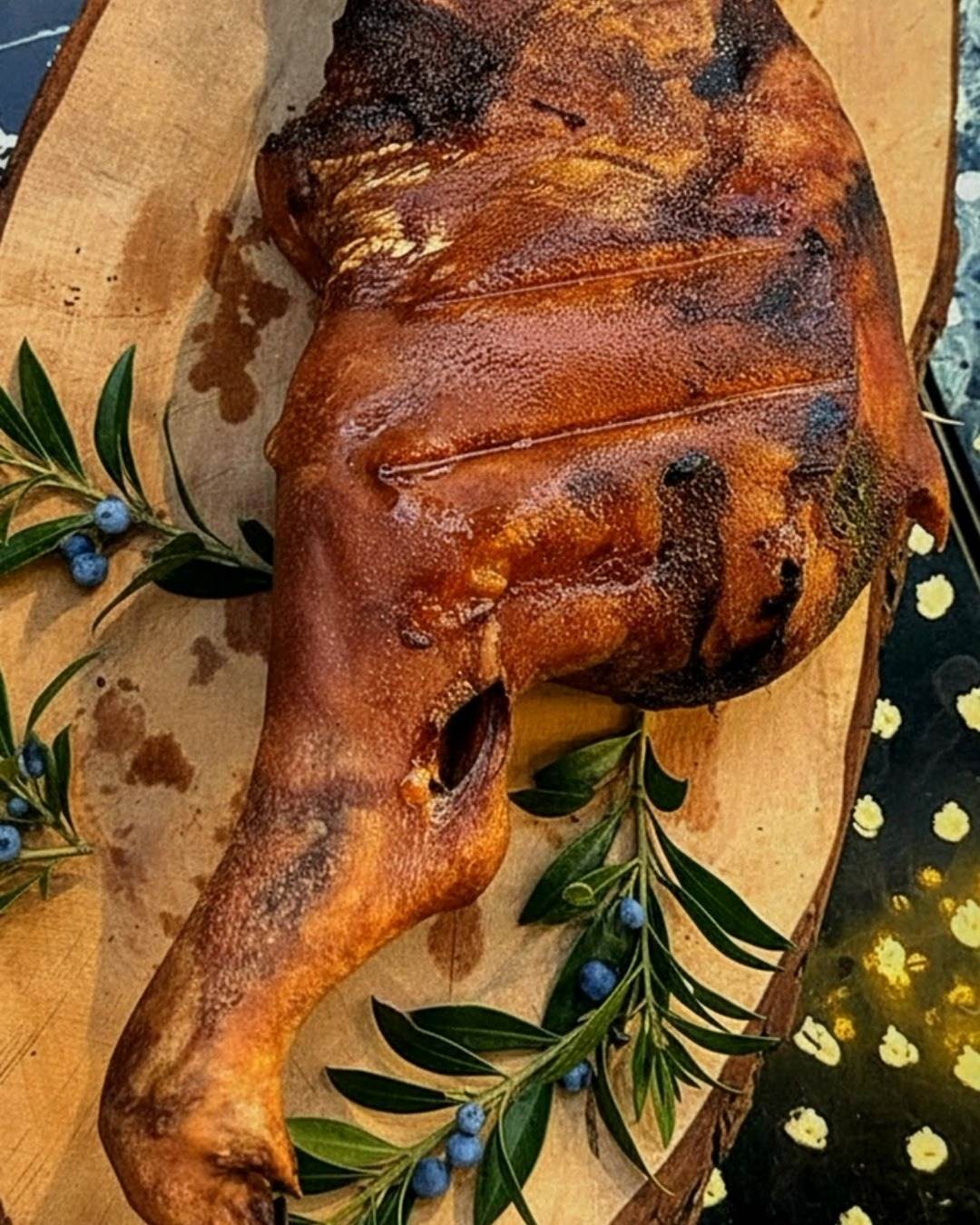
A traditional Sardinian dish made with a suckling pig between 30 and 45 days old.
In Sardinian: pane frattau
A Sardinian dish like a lasagne, with carasau bread dipped in broth instead of fresh pasta sheets, and a poached egg on top.
In Sardinian: su filindeu; findeos, findeus, lindeu
A traditional Sardinian dish dried on asphodel sheets and served in broth to the pilgrims of the feast of San Francesco di Lula.
In Sardinian: lorighittas (orecchini)
A Sardinian dish named after earrings, because of its braided ring shape.
from Sardinian ovens
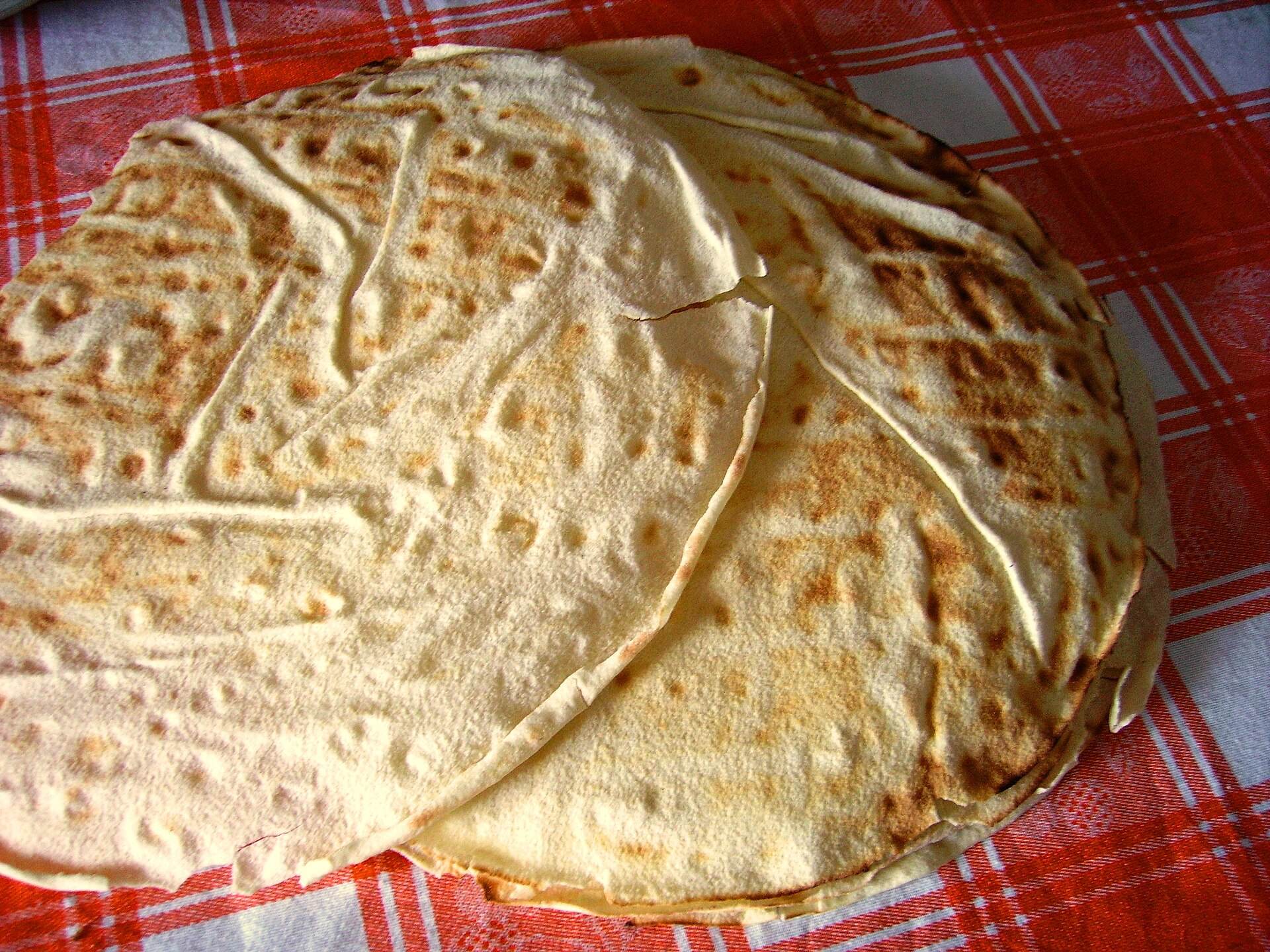
In Sardinian: pane carasau, pane carasatu, carta da musica; pane 'ine (Ollolai); pane lentu o modde (Orani, versione morbida)
A very thin Sardinian bread, baked twice, that makes a snapping sound when broken and keeps for weeks.
In Sardinian: pane guttiau
Carasau bread with a drizzle of oil and salt, heated again over the fire.
In Sardinian: civraxiu, civraxu, civarzu; pani de Seddori; su pani mannu
A traditional Sardinian bread with a dark colour from its flour, once the bread of the poor and of country workers.
In Sardinian: su coccoi; coccoi pintau; coccoi de pasca; pani de sa sposa; sa simbula (Fordongianus, Urzulei)
Sardinian festive breads, such as the Easter one with a whole hard-boiled egg set in the dough, and the crown-shaped bride's bread.
In Sardinian: su pistoccu
A traditional Sardinian bread that is baked twice and can last for months.
fish, urchins and bottarga
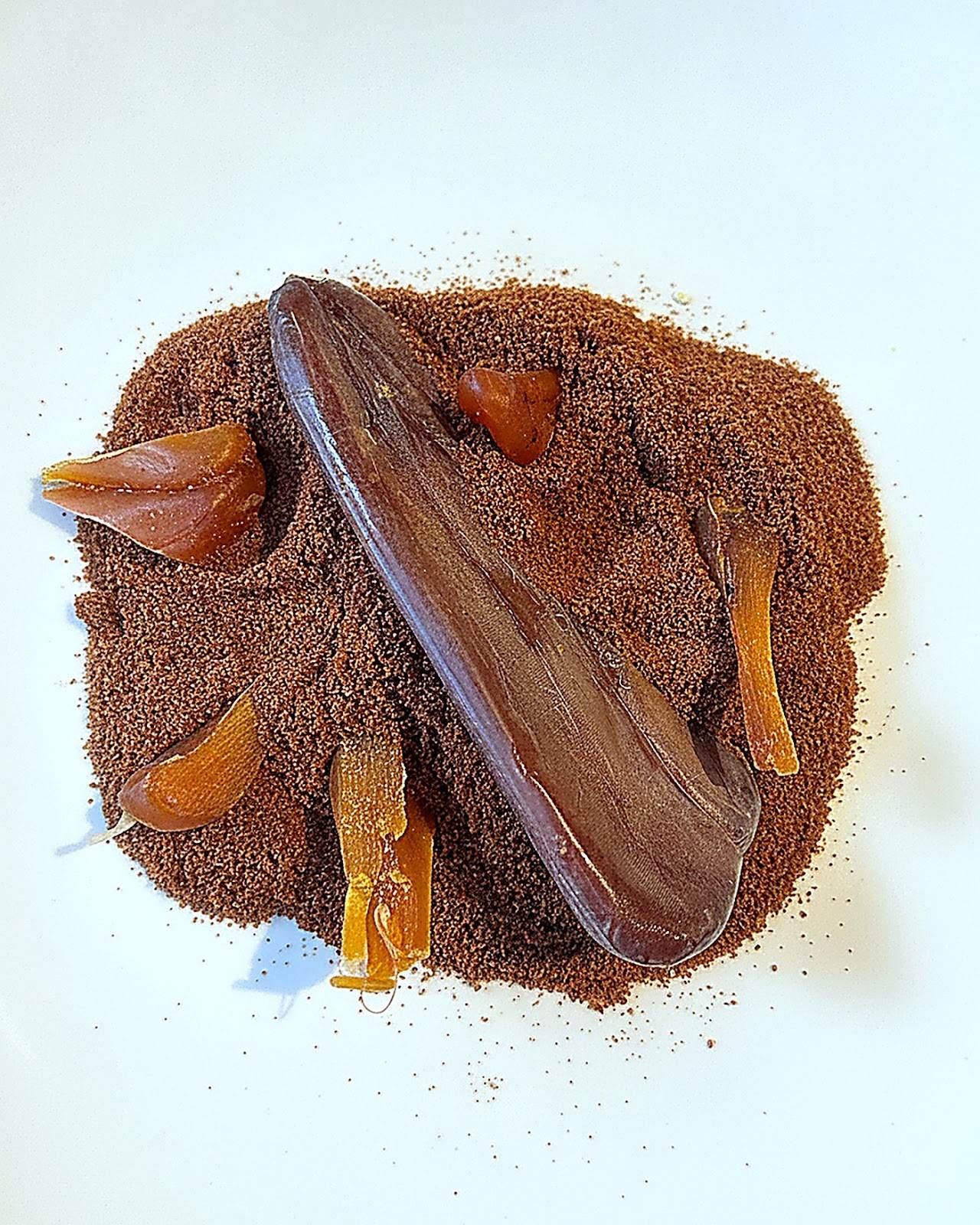
In Sardinian: bottariga; baffe (le ovaie)
A product made by salting the ovaries of mullet; the name comes from the Arabic for salted or smoked fish.
In Sardinian: lissa, muzaldu (muggine); mughedhu (il muggine affumicato, nell'Oristanese); sa merca; sa ziba (l'erba palustre)
Mullet, and merca, a traditional product kept wrapped in marsh grass that protects it from insects.
In Sardinian: bogamari' (ad Alghero, nome della sagra); il nome sardo del riccio di mare varia da zona a zona (non verificato qui)
Sea urchins, fished in Sardinia only in winter and early spring, with a festival in Alghero called Bogamarì.
In Sardinian: aligusta, alagusta
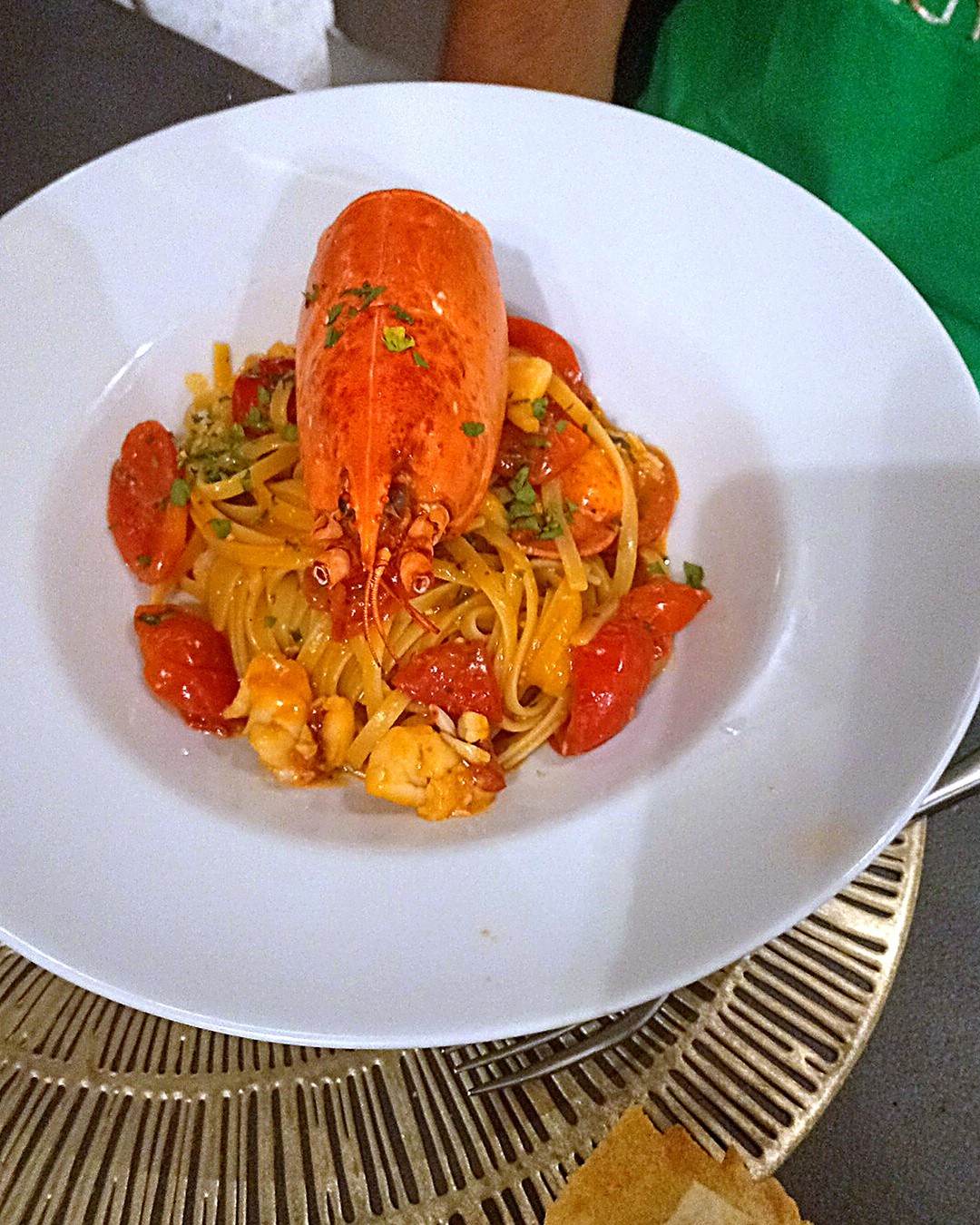
Lobster, cooked “alla catalana” in Alghero, a Catalan-speaking city, where the official guide says to try it before leaving.
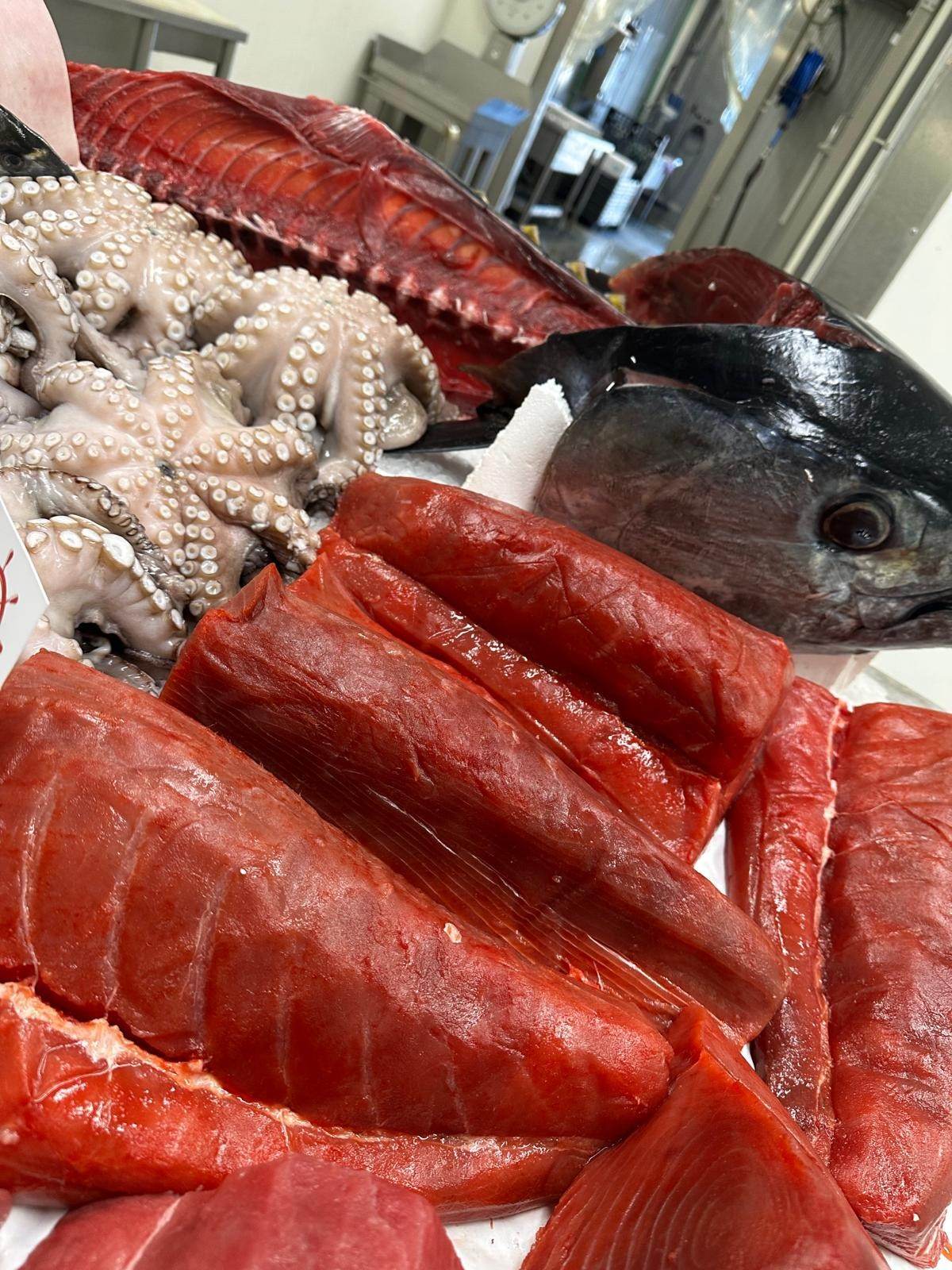
In Sardinian: tunnu; buttariga de tonnu
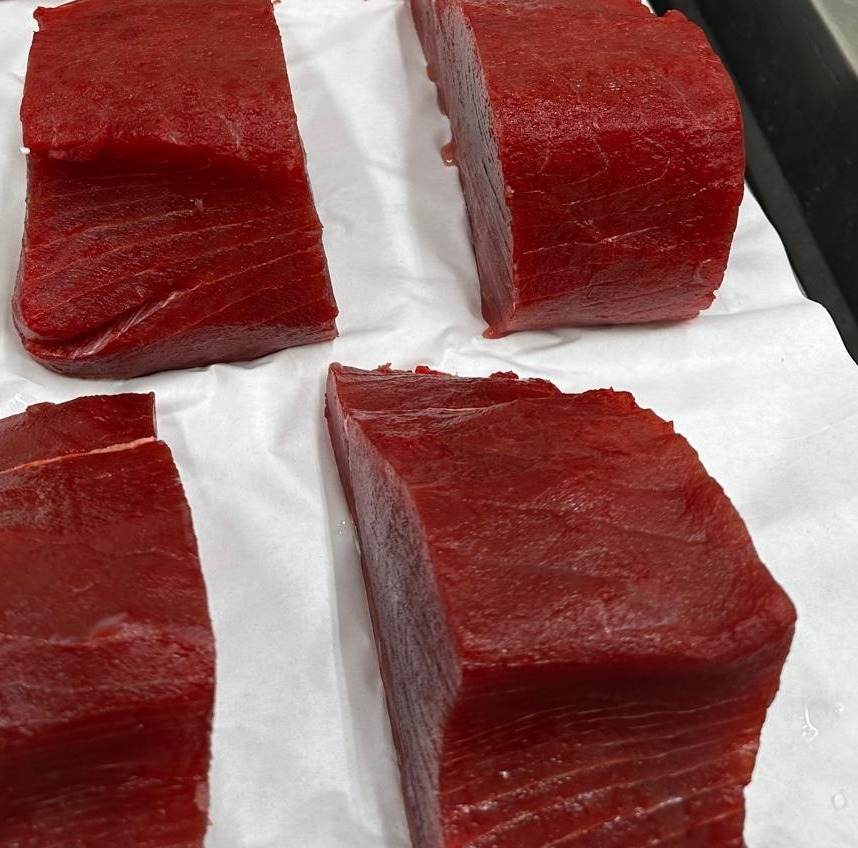
Red tuna, of which nothing is thrown away in Sardinia, from the heart to the bottarga dried for 30 to 40 days.
Sardines, a fish whose name comes from the Latin sarda, meaning “of Sardinia”.
the land of shepherds
In Sardinian: casu o caxu (formaggio); berbeghe (pecora)
A Sardinian cheese with PDO status, in the Dolce and Maturo types.
A Sardinian cheese named after the flower carved into its wooden moulds, then dried and smoked on a cane rack near the fire.
A PDO cheese called Romano, of which 93.5% is produced in Sardinia (consortium data, 2025).
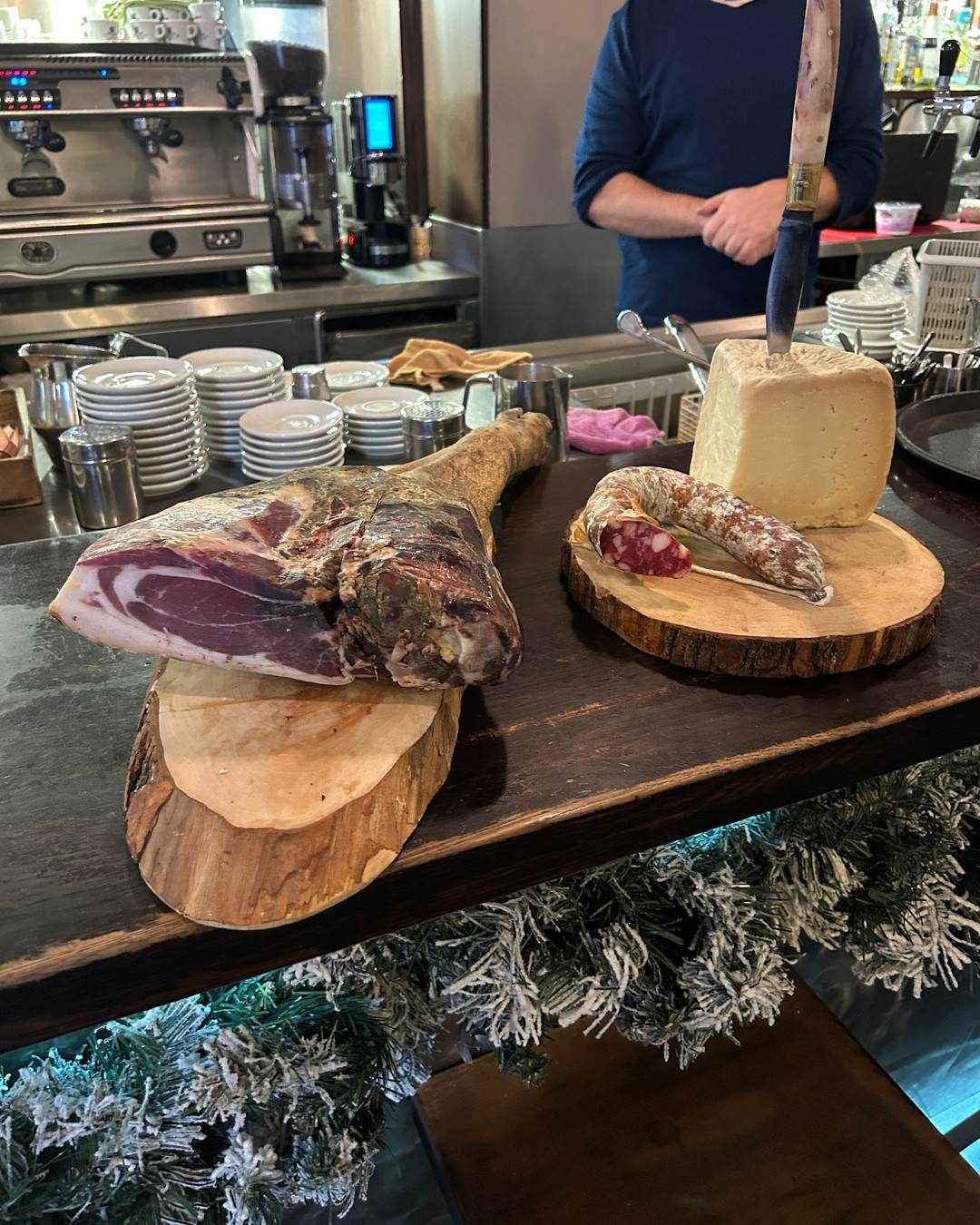
In Sardinian: presuttu, presutu; presuttu 'e brebei (di pecora)
A traditional Sardinian ham, washed with vinegar, rubbed with garlic and covered in black pepper.
In Sardinian: satizza, sartizza; loba (Samugheo)
A Sardinian sausage, recognisable by its horseshoe shape.
A traditional Sardinian serving board of local products.
In Sardinian: angione, angioni; anzone, anzoni (agnello)
Lamb with PGI status that must be born, raised and slaughtered in Sardinia, sold in three sizes.
In Sardinian: sirbone, sirboni, sibroni
The Sardinian wild boar, a subspecies smaller than the European one, weighing 40 to 50 kg as an adult.
myrtle, honey, saffron
A PDO spiny artichoke from Sardinia, so tender it can be eaten raw despite its spines.
In Sardinian: tzafferanu, zanfaranu, tanfaranu, thaffaranu (varianti dall'elenco PAT)
Sardinian saffron with PDO status, harvested at dawn between mid-October and the end of November, when the flowers are still closed.
In Sardinian: murta, murtizzu, mulsta, multa, murtin, muta, murtauccia (dall'elenco PAT)
The myrtle plant, with berries picked by hand from late November to January and leaves once burned to disinfect the air.
In Sardinian: melalidone, olione (dall'elenco PAT)
A rare bitter honey made from the strawberry tree, which flowers in winter, from November to February.
In Sardinian: ollu de stincini (olio di lentischio)
Extra virgin olive oil with PDO status, made at least 80% from four island varieties, plus a traditional oil from lentisk berries.
In Sardinian: pompia; aranzada (dolce di scorze d'arancia e miele)
Sardinian citrus fruits, including the rare pompia of Siniscola, a Slow Food Presidium, and the sweet lemon of Muravera.
In Sardinian: saba; saba de figu morisca (fico d'india); saba de arangiu
A traditional Sardinian ingredient, made in Sardinia also from prickly pear.
in the glass
In Sardinian: murta (la pianta)
A liqueur made from myrtle berries, at least 150 g per litre, and bottled in Sardinia to bear the name Mirto di Sardegna.
In Sardinian: filu 'e ferru, file e ferru, abba ardente
A Sardinian spirit, distilled twice and aged for a year in oak barrels.
A Sardinian wine, whose Gallura version has been the island's only DOCG since 1996.
A Sardinian wine and grape, covering about 30% of the island's vineyards.
to finish
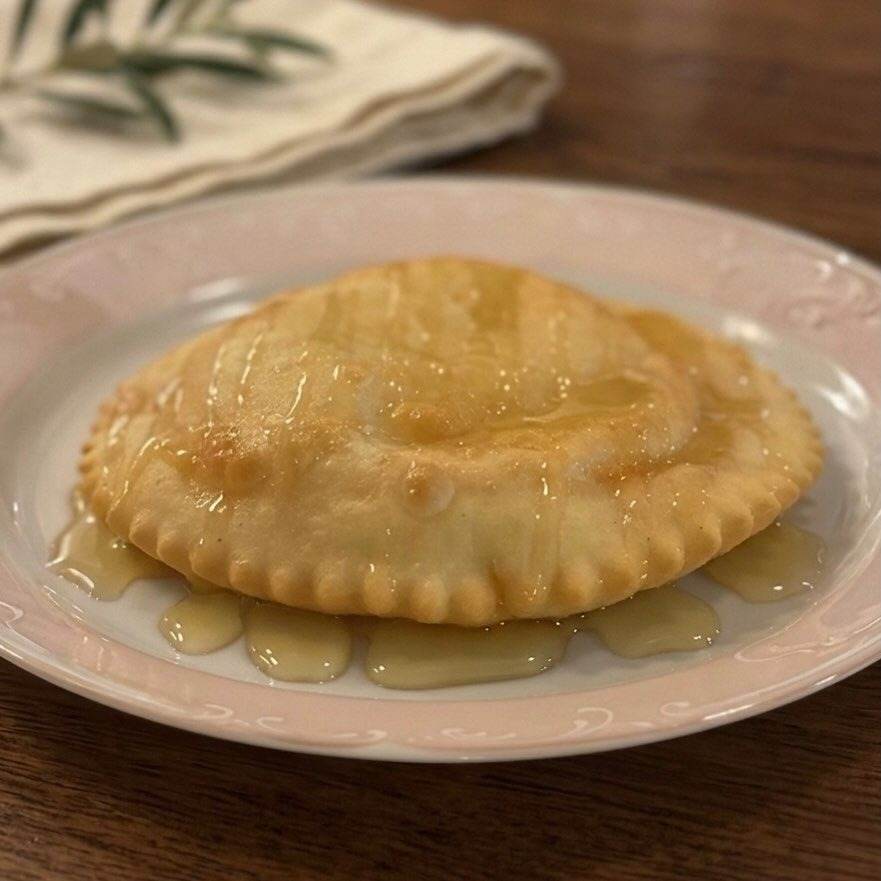
In Sardinian: seada, sebada; sevada (Nuoro); seatta, sabada (altre zone)
A traditional Sardinian dessert with cheese inside, served hot and crisp, with honey poured over at the end.
In Sardinian: sas pardulas; casadinas, casgiaddine, casgiatini (formagelle)
Small pastry baskets filled with ricotta, lemon and saffron, a traditional Sardinian sweet.
In Sardinian: papassinos, pabassinas
A traditional Sardinian sweet named after passa, the dried grapes inside, together with almonds and walnuts.
language, songs and feasts
In Sardinian: a kent'annos, a chent'annos; a cent'annus (campidanese)
The Sardinian toast, a wish for a long life that means “to a hundred years”.
In Sardinian: salude, saludi; saludu; bonu pro' (risposta, grafia NON VERIFICATA)
A Sardinian toast meaning health; the person receiving it replies with a good wish.
In Sardinian: sa gràtzia, aratza
A wedding custom in which newlyweds are showered with flowers, sweets, wheat and salt, to wish them abundance and wisdom.
In Sardinian: sa limba sarda
The Sardinian language, recognised by the Italian State as a historical minority language since 1999.
In Sardinian: l'Alguer
Alghero is a Catalan-speaking city in Sardinia, with an atmosphere that recalls Barcelona and lobster alla catalana as its must-try dish.
In Sardinian: cantu a tenore; su zilleri (il bar dove si canta)
A form of singing recognised as UNESCO intangible heritage, for four male voices: bassu, contra, boche and mesu boche.
In Sardinian: sas launeddas
A traditional Sardinian instrument with three reeds, played with circular breathing so that the sound never stops.
In Sardinian: su nuraxi (il nuraghe, in campidanese)
Su Nuraxi di Barumini, a nuraghe, has been a UNESCO World Heritage Site since 1997.
In Sardinian: sos focos, sas tuvas, sas frascas, su fogadoni; Sant'Antoni de su fogu
Bonfires lit in January for Saint Anthony, and the Mamuthones of Mamoiada, who carry about thirty kilos of cowbells.
In Sardinian: Sant'Efis
A celebration held in Cagliari every year since 1657, in fulfilment of a vow made during the plague.
In Sardinian: sa die de sa Sardigna (il giorno della Sardegna)
The festival of the Sardinian people on 28 April, commemorating the Cagliari uprising of 1794.
The Candelieri of Sassari, UNESCO heritage since 2013 together with the shoulder-borne machines of Nola, Palmi and Viterbo.
In Sardinian: cortes apertas (cortili aperti)
From September to December the villages of Barbagia open the courtyards of their houses to visitors, in an event called Cortes Apertas.
Products, one by one
12 of these are on our menu